It’s time to grow your stitch collection with something a little taller! Once you’ve got the basics down, moving on to taller stitches opens up a whole new world of projects. The treble crochet is probably the most loved and beginner-friendly member of the tall stitch family. In this guide, I’ll walk you through everything you need to know, plus share a handy tutorial so you can practice right along with me.
Is Treble Crochet Known by Any Other Name?
Before we dive in, let’s clear up the terminology a bit, because crochet names can get confusing fast.
You might see this same stitch written differently depending on where the pattern comes from. That’s because American and British crochet terms don’t always line up, and it can trip you up if you’re not paying attention. So here’s what to watch for:
- treble crochet or triple crochet stitch in American patterns
- double treble crochet in British patterns
Whenever you sit down with a new pattern, take a quick second to check which terminology it uses. A small mix-up here can lead to a project that looks totally different from what you expected. To keep things simple, I’ll be sticking to American terms throughout this guide.
Why Use a Treble Crochet Stitch?
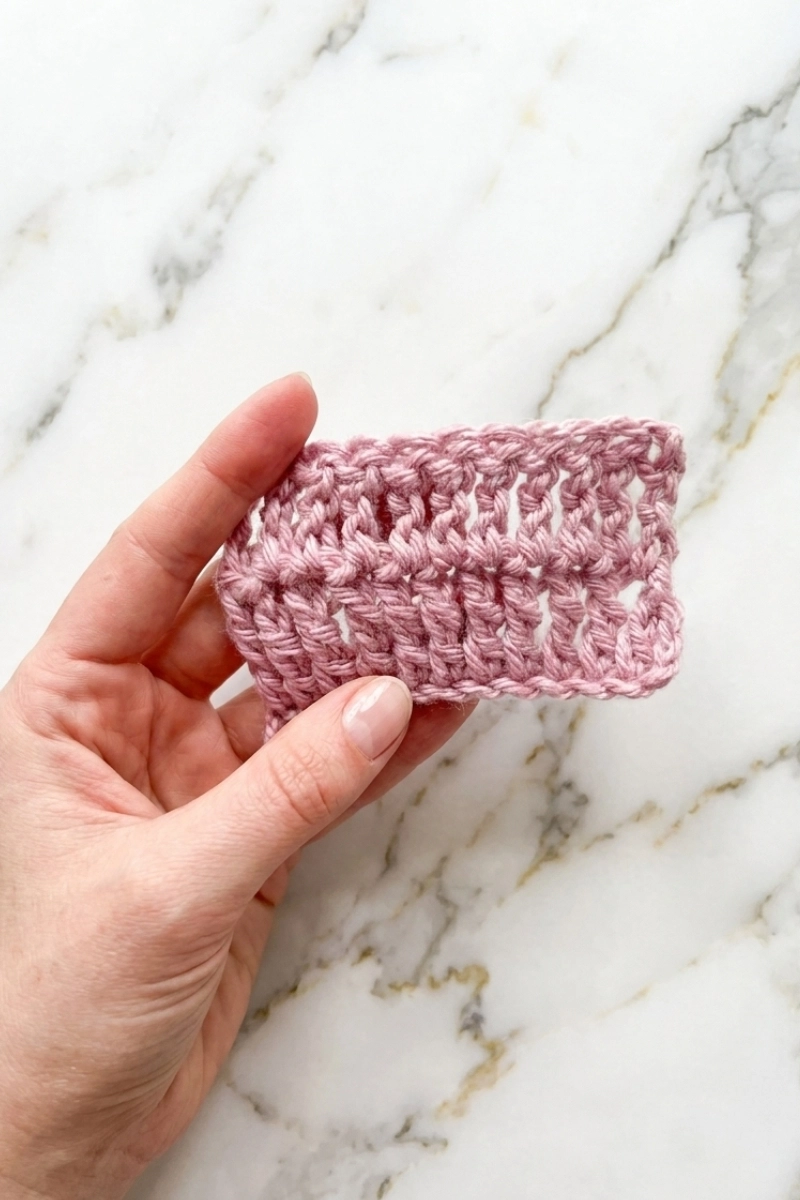
The treble crochet is noticeably taller than both single and double crochet, which means it creates a lighter, more open fabric. If you want your project to have a breezy, airy feel with lovely drape, this is the stitch you’ll want to reach for. It’s also great for playing around with different textures, so it opens up a lot of creative possibilities.
What’s the Difference Between Treble Crochet and Double Crochet?
The main thing that sets them apart is how many times you yarn over before inserting your hook, and that extra wrap is what gives each stitch its height. For a treble crochet, you yarn over twice before poking your hook into the stitch. For a double crochet, you only yarn over once. That one extra yarn over is what stretches the treble crochet into a taller, more elegant stitch.
What Can You Actually Make with Treble Crochet?
Now that you know what a treble crochet is, let’s talk about where it really shines. There are plenty of projects where this stitch feels right at home.
- Can I use treble crochet for clothing and accessories?
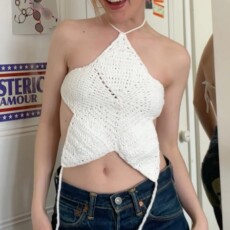
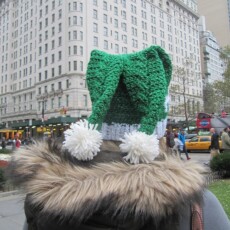
Absolutely, and you’ll love it for this. Treble crochet is fantastic for summer tops, flowy shawls, cardigans, and lightweight sweaters. The height gives the fabric a soft drape that feels dreamy to wear, and the airy weave keeps everything cool and breezy.
- Can I use treble crochet for a blanket or afghan?
Yes, and it’s actually one of the best reasons to use this stitch. Blankets made with treble crochet have a gorgeous, lacey look and they work up way faster than ones made with shorter stitches. If you’ve been putting off a big blanket project because it feels endless, this stitch will speed things along nicely.
- Can I use treble crochet for amigurumi?
Not usually, but never say never. Amigurumi needs tight, tiny stitches to hide the stuffing inside, and treble crochet is way too loose for that. That said, you can use it for decorative touches, ruffles, or accent pieces where you actually want a bit of openness.
How to Treble Crochet – Step-by-Step Tutorial
Learning a new stitch is so much easier when you’ve got a good visual guide beside you. Lucky for you, there’s a great one just a click away! The How To Do A Treble Crochet Stitch tutorial breaks everything down into simple steps with clear photos along the way. It’s perfect for beginners who want to add this stitch to their crochet toolkit.
Wrapping It Up
The treble crochet is one of those stitches that opens up so many doors once you know how to do it. From lacy summer tops and flowy shawls to cozy, quick-to-finish blankets, this stitch has a place in just about every crocheter’s list of go-to techniques. With a little practice and a bit of patience, it’ll become second nature, and you’ll find yourself reaching for it again and again.
FAQ
How do I read a pattern that uses treble crochet stitches?
You’ll usually see treble crochet shortened to “tr” in American patterns, or “dtr” in British patterns. The pattern itself will guide you on where each stitch goes and how many you need to make in each row or round, so just follow along step by step.
What’s the best yarn for treble crochet?
It really depends on what you’re making. DK or sport weight yarns are lovely for garments and anything where you want a soft drape. Worsted or bulky yarns are the way to go for cozy blankets and chunky accessories. Think about the feel and weight you want the finished project to have, then pick a yarn that matches that vibe.
How do I increase and decrease treble crochet stitches?
Increasing is easy. Just work two or more treble crochets into the same stitch. Decreasing takes a few extra steps: start a treble in one stitch but don’t finish it, then start another treble in the next stitch, and combine them by pulling through all the loops at the end.
Any tips for keeping my stitches even?
Try to keep a consistent pull on your yarn when you’re making your yarn overs and drawing through loops. Stitch markers are also a lifesaver for marking the beginning of a row or round, so your project stays neat and the edges line up the way they should.
How do I fix a mistake in my treble crochet?
If you catch a mistake, don’t panic. Just unravel your work back to the spot where things went wrong, pick the loop back up with your hook, and restitch from there. It happens to all of us, and it gets less scary the more you do it.
Can I mix treble crochet with other stitches?
Yes, please! Combining treble crochet with shorter stitches like single or double crochet creates gorgeous textures and patterns. Playing around with different combinations is one of the most fun parts of crochet, and you’ll stumble onto combos you didn’t even know you’d love.
How do I make a treble crochet border?
Work your stitches evenly along the edge of your project, remembering to add a few extra at the corners so they don’t pull in. A treble crochet border gives blankets and garments a polished, finished look and can even help your piece hold its shape better.
How can I fix tight or loose tension?
Tension comes with practice, so be patient with yourself. Pay attention to how firmly you’re pulling the yarn, and try to keep it consistent. If your hands get tired quickly, an ergonomic hook can make a huge difference and help you keep your tension nice and even throughout your project.