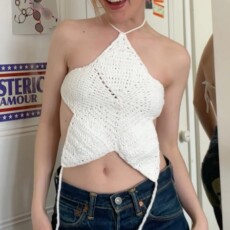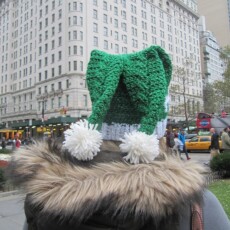
The double crochet is one of those essential stitches that every crocheter ends up using sooner or later. If you’re just starting out with your hook and yarn, this is a stitch you really want to have in your back pocket. You’ll spot it in all sorts of patterns, from cozy blankets and scarves to summery tops and cardigans, so learning it early on will open up a whole world of projects for you.
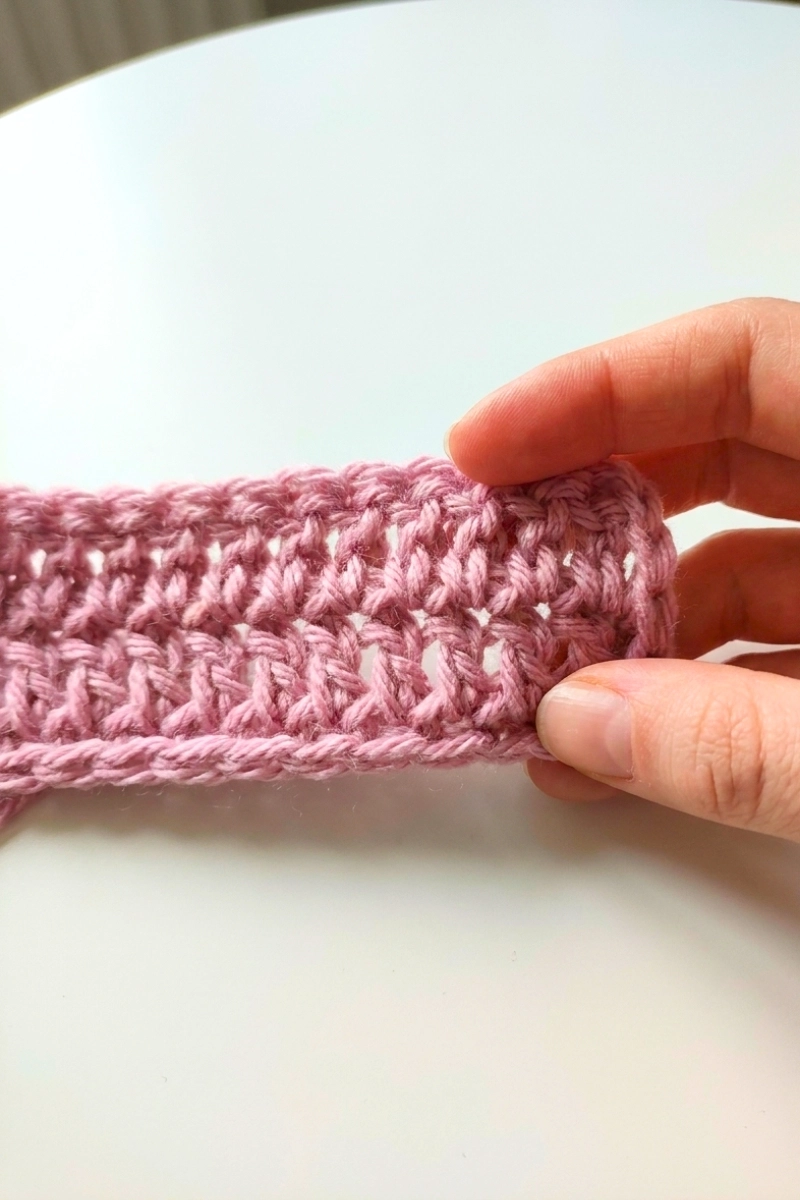
What is a double crochet and how does it compare to a single crochet
Both of these stitches are usually the first ones a new crocheter tackles, and for good reason. They’re the building blocks of countless patterns. That said, they don’t quite do the same job, and the way they’re made is a little different too.
A double crochet sits about twice as tall as a single crochet. That extra height brings a bit more texture to whatever you’re making and gives the fabric a looser, airier feel. Instead of producing a tight, compact surface, double crochets leave small gaps between each stitch, which makes the finished piece drape much more softly. That’s why this stitch is such a popular pick for lightweight garments and breezy warm-weather pieces.
Can I use double crochet for a blanket or an afghan
Absolutely, and you’ll actually finish your project a whole lot faster this way. Because each stitch covers more ground vertically, working a blanket in double crochet goes noticeably quicker than if you were doing it in single crochet. The fabric also ends up with more texture and a lighter hand, which a lot of people really enjoy for throws and cozy couch blankets. On top of that, double crochet is the backbone of classic granny squares, and those squares can be joined together into absolutely stunning afghans.
Blankets made with this stitch tend to be a great fit for spring and summer, since the fabric breathes nicely and isn’t too heavy. But don’t think you’re stuck only making lightweight stuff. Grab a chunkier yarn, go up a hook size, and suddenly you’ve got yourself a snuggly blanket that’s perfect for chilly winter nights on the sofa.
Does double crochet work for amigurumi
Honestly, it’s not the first choice for most amigurumi makers. Those adorable little stuffed creatures are almost always worked in single crochet because you need the fabric to be really tight and dense. If the stitches are too loose, the stuffing starts to peek through the gaps, and nobody wants that.
That said, double crochet does show up in amigurumi from time to time, especially when you’re making clothes or accessories for your little friends. Tiny sweaters, skirts, and scarves often use taller stitches to get a nice drape and a bit more visible texture, so it’s still a handy stitch to know even if you’re mainly into amigurumi.
What yarn works best for double crochet projects
The honest answer is that it really depends on what you’re making. For most beginners, a medium-weight yarn (often labeled as worsted weight or category 4) is going to be your best friend. It’s easy to see your stitches, it doesn’t split too much while you’re learning, and it’s versatile enough to handle everything from garments to blankets to home decor. Once you get more comfortable with the stitch, feel free to experiment with thinner or chunkier yarns to see how the finished fabric changes.
Do I really need to count my stitches
Yes, and I know that can feel a bit tedious when you’re just starting out, but trust me, it matters. Keeping an accurate stitch count is what separates a clean, well-shaped project from one that slowly goes wonky as you work your way up. If you accidentally add extra stitches, your piece starts widening out where it shouldn’t. Skip a few by mistake and it narrows down instead. For most patterns, the stitch count at the end of each row is given specifically so you can double check your work as you go, so take advantage of it.
How to Make a Double Crochet Stitch
Ready to give it a try yourself? If you’d like a really detailed written walkthrough with photos for each step, have a look at How To Do A Double Crochet [Video for Beginners]. It covers all the little tips that make a big difference when you’re just starting to learn.
And if you prefer to follow along visually, here’s a step by step video tutorial that will walk you through the whole process from start to finish.
FAQ
What does the turning chain actually do in double crochet
The turning chain is basically a stand in for that first stitch you’re skipping at the start of a new row. It lifts your work up to the correct height for the double crochet you’re about to make, keeps your edges looking even, and counts as the first stitch of the new row in most patterns. Without it, your edges would pull in and look pretty messy.
How do I make a ribbed texture using double crochet
To get that gorgeous ribbed look, you’ll want to alternate between front post double crochets and back post double crochets across your row. When you repeat this on every row, the stitches pull forward and backward in a way that creates a raised, stretchy ribbing. It’s the same type of ribbing you see on cuffs, hat brims, and sweater hems.
What’s the right way to weave in the yarn ends
Thread your tail onto a tapestry needle and start weaving it through the back of several stitches, going in one direction first and then doubling back the other way to really lock it in place. Make sure you’re leaving yourself enough yarn to work with before you snip (a few inches is plenty), and try to keep your weaving on the wrong side of the fabric so it doesn’t mess with the look of your project.
How do I change colors when I’m working in double crochet
The cleanest way to switch colors is to start the change at the very last step of the final stitch in a row. So when you’re working the last double crochet, you’ll complete it almost all the way, and then pull the new color through for that final yarn over instead of the old one. Leave about 5 cm or so of tail on both yarns so you have something to weave in later, and you’ll get a really smooth, tidy transition.
Are there any tricks for working double crochet in the round
Yep, a couple of things to keep in mind. When you’re working in the round, you’ll usually join each round with a slip stitch into the top of the starting chain. To begin a new round, make a chain that matches the height of a double crochet (usually a chain of three) before you work your first real stitch. Staying consistent with how you start and close each round is what keeps your circles looking neat rather than lopsided.
How do I add a double crochet border to a finished project
For a nice flat border, the trick is spacing your stitches evenly all the way around the edge of your piece. This can take a little practice, especially along the sides of rows where there aren’t obvious stitch tops to work into. And here’s the really important part: always add extra stitches in the corners (usually three stitches in each corner for a double crochet border) so your edges lay flat instead of curling up. Done right, a simple double crochet edge can completely transform the look of your finished project.