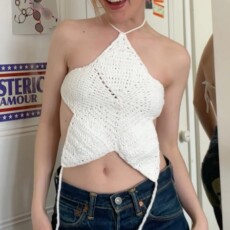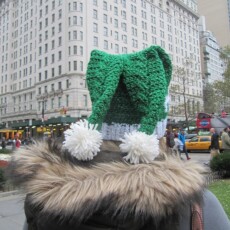
If you have just picked up a hook and a ball of yarn for the first time, there is one stitch you absolutely have to get comfortable with before anything else, and that is the single crochet. It shows up in nearly every pattern you will come across, and honestly, it is the kind of stitch that builds the foundation for everything else you will ever make. Whether you dream of whipping up a cuddly blanket for the couch, a cute little toy for your niece, or a stylish top for summer, this tiny stitch is going to be doing a lot of the heavy lifting.
Before you can dive into single crochet though, there are a couple of things you really need to have down first. Make sure you are familiar with how to tie a slip knot (that little loop that starts everything off), and how to work a basic chain stitch. These two skills go hand in hand with single crochet, and without them, you will struggle to even get started. So if you are still shaky on those, take a little time to practice them until they feel natural.
So, What Exactly Is a Single Crochet Stitch?
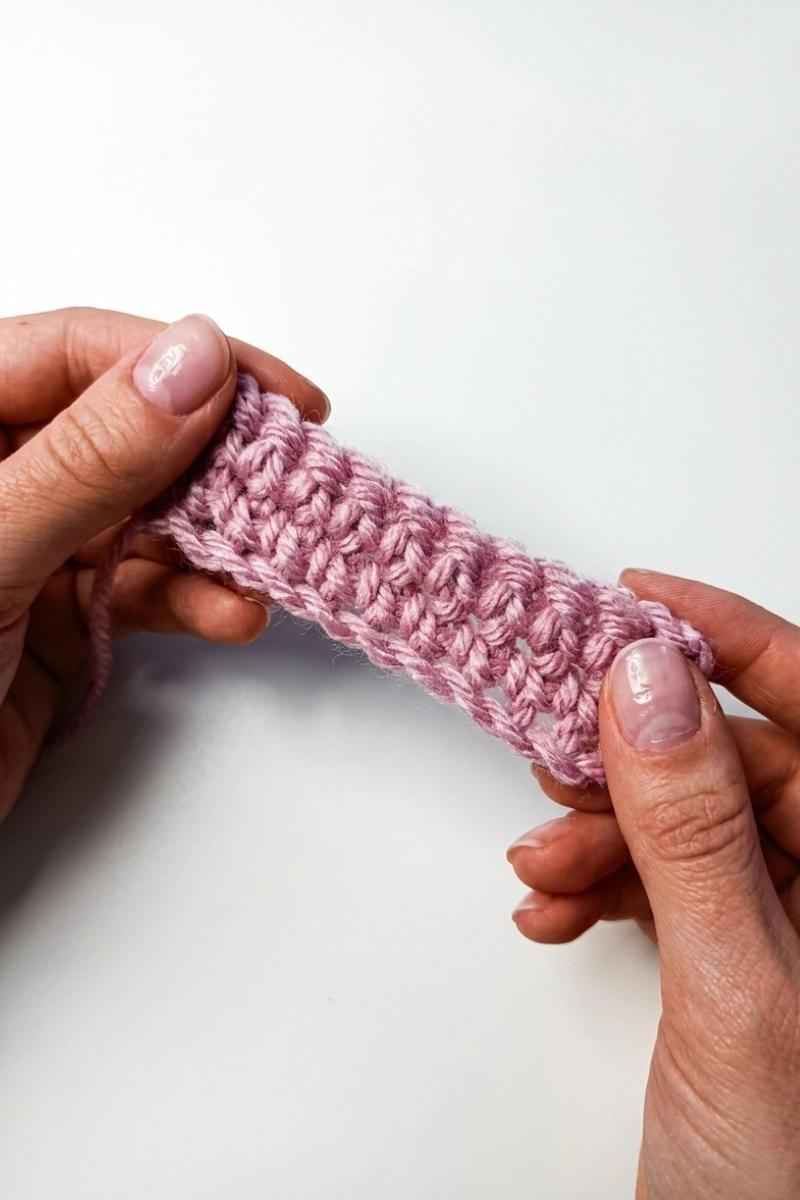
The single crochet is about as basic as it gets in the crochet world, but do not let that fool you into thinking it is unimportant. It is actually one of the most useful stitches you will ever learn. When you work rows of single crochet, you end up with a tight, dense fabric that has a lovely sturdy feel to it. This texture makes it perfect for all sorts of projects where you want something solid and long-lasting.
Another thing worth mentioning is that while you are practicing this stitch over and over, you are also working on other essential crochet habits without even realizing it. Things like how to hold your hook comfortably, how to manage the tension of your yarn, and how to keep your stitches even. It is almost like killing a few birds with one stone, which is pretty great when you are just starting out.
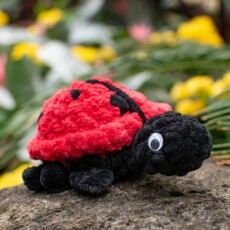
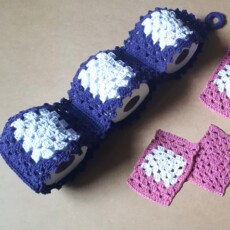
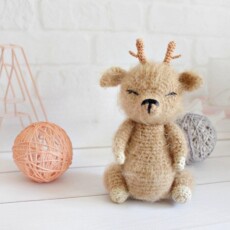
Now, if you are new to all of this, you are probably wondering what kind of projects you can actually make with just single crochet. The good news is that the list is practically endless. Can you make a blanket with it? Absolutely. Can you use it for clothing? You sure can. What about those adorable little stuffed animals called amigurumi? Yes to that as well.
Single crochet is the go-to stitch for amigurumi because the tight stitches keep the stuffing tucked neatly inside, giving your finished toy a clean, polished look. For blankets, it creates that warm, heavy feel that is just right for curling up under on chilly evenings. And when it comes to garments, single crochet works beautifully for everything from chunky winter scarves and cozy sweaters to lighter summer tops and breezy dresses. It really is a stitch that earns its keep.
How Is Single Crochet Different From Double Crochet?
At first look, single crochet and double crochet might seem like cousins that got mixed up. They have similar names and both are beginner stitches, but once you start working them, the differences become pretty obvious.
Single crochet stitches are short and stubby. They stack close together, which gives you that dense, tight fabric we talked about earlier. If you want something warm, sturdy, and structured, single crochet is your friend.
Double crochet stitches, on the other hand, are much taller. Because of their height, they create a fabric that is looser and has a bit of flex to it. You can actually see little gaps between the stitches, which makes double crochet great for projects where you want drape, breathability, and a lighter feel. Think summer cardigans or lacy shawls.
Knowing the difference between these two stitches is going to help you choose the right one for whatever you are making. Sometimes a pattern will call for single crochet specifically because the designer wants that tight texture, and swapping it out for something taller would completely change the finished piece.
What Kind of Yarn Should I Use to Practice?
When you are just learning single crochet, do yourself a favor and grab a medium-weight yarn. Look for something labeled aran or worsted weight. This thickness is really comfortable to hold, it does not slip around too much, and it moves nicely on the hook.
Color matters too, believe it or not. Dark colors like black or navy can make it really hard to see where your stitches are, which is frustrating when you are trying to figure out what you are doing. Go with something light. White, cream, beige, or a soft gray are all excellent choices for practice. You will be able to spot each loop and stitch clearly, and that makes the whole learning process way less annoying.
How Do I Actually Make a Single Crochet Stitch?
Reading instructions can only get you so far when it comes to crochet. Some things just click better when you can actually watch someone doing them. If you want a thorough walkthrough with clear visuals, I highly recommend checking out this detailed guide: Master the Single Crochet Stitch [Video for Beginners]. It breaks everything down step by step and has a video that makes the whole thing click pretty quickly.
Watching someone work through the motion of inserting the hook, yarning over, and pulling through is one of those things that just helps it all make sense. You can pause, rewind, and replay as many times as you need until your hands start moving on their own.
What Mistakes Should I Watch Out For?
Even though single crochet is simple, there are a few little traps that beginners tend to fall into. One of the most common ones is inserting the hook into the wrong spot. Every stitch has a top that looks like a small V, and you want to slip your hook under both loops of that V unless your pattern says otherwise. If you go under just one loop or miss it entirely, your project will start looking uneven.
Another sneaky mistake is missing the very last stitch at the end of a row. It is easy to do because that last stitch can be a little harder to see, but if you skip it consistently, your work will start narrowing or losing its shape. Before long, what started as a rectangle turns into a weird trapezoid.
The best way to avoid these issues is to count your stitches at the end of every row. It only takes a few seconds and it saves you hours of frustration later. You can also use stitch markers to keep track of where each row begins and ends. These little clips are cheap and they make a huge difference, especially when you are working on something bigger like a blanket or a sweater.
How Do I Fix a Mistake in My Row?
Mistakes happen to everyone, even people who have been crocheting for decades. The trick is knowing how to fix them without losing your mind. First, figure out exactly where the error is. Once you have spotted it, carefully pull out each stitch one by one, working your way back to the problem spot.
This undoing process has a funny name in the crochet world. It is called frogging, because you are basically “ripping it, ripping it” (say that out loud and you will hear the frog sound). Once you have frogged back to where the mistake was, you can rework that section properly and keep going. It feels painful in the moment, especially if you have to undo a lot of stitches, but trust me, it is way better than trying to hide a mistake and having it bother you forever.
Are There Different Variations of Single Crochet?
Yes, and this is where things get really fun. Once you have the basic single crochet down, you can start playing with variations that change up the look and feel of your fabric without having to learn a completely new stitch. Here are a few worth knowing about:
The extended single crochet is made almost the same way as a regular single crochet, but with one extra step that adds another loop. The result is a slightly taller stitch that still gives you a solid fabric without any holes. It is great when you want the density of a single crochet but also want your rows to build up a bit faster.
Then there is the front loop single crochet and the back loop single crochet. Instead of inserting your hook under both loops of the stitch, you only go through one. Working into just the front or just the back loop creates a ribbed, textured look that is really striking. It is the kind of technique you see a lot in beanies, cuffs, and stretchy bands.
Once you start exploring these variations, your crochet projects become way more interesting. You can mix and match different looks within the same piece to add visual interest and personality.
Any Tips for Keeping My Tension Even?
Tension is one of those things that trips up pretty much every beginner. If your stitches are too tight, your hook will feel like it is fighting you the whole time. Too loose, and your fabric ends up looking sloppy with gaps everywhere.
The key is finding a way to hold your working yarn that lets it flow smoothly through your fingers without running away from you. Everyone has their own method, and you will figure out what feels right for your hands with a little practice. Some people wrap the yarn around their pinky, others weave it between their fingers in different ways. Experiment until you find what works.
The most important thing to remember is that tension gets better with time. It is not something you can perfect overnight. The more you crochet, the more your hands learn the rhythm of it, and before long you will be producing even, consistent stitches without even thinking about it. So be patient with yourself, keep practicing, and know that every single person who crochets well today was once a beginner fumbling with uneven stitches. You will get there too.